

Explore the aesthetics of brutalist swimming pools.
Far from luxury pools with soft curves and exotic decor, some pools stand out for their strength, structure, and minimalism. These are brutalist pools, built from raw concrete, with simple and powerful geometric shapes.
A concrete architecture where the pool becomes a monument, suspended between public function and mineral poetry.
Born after the Second World War, brutalism is a movement that values functional form, the absence of decoration, and the use of concrete in its rawest form. In the aquatic world, it gives rise to pools that almost resemble modern temples: large volumes, straight lines, and natural light filtered through large skylights.
These places are designed for practice, movement, and discipline. Here, everything is designed for swimming, training, and focusing. The decor is stripped-back, almost silent: gray concrete, blue water, white lines at the bottom of the pool. The famous Molitor pool in Paris, before its transformation into a luxury hotel, was a prime example. We can also think of the pool in Ostend, in Belgium, or the aquatic centers of the 60s and 70s in France.

@architecture&designcommunity
@gallica


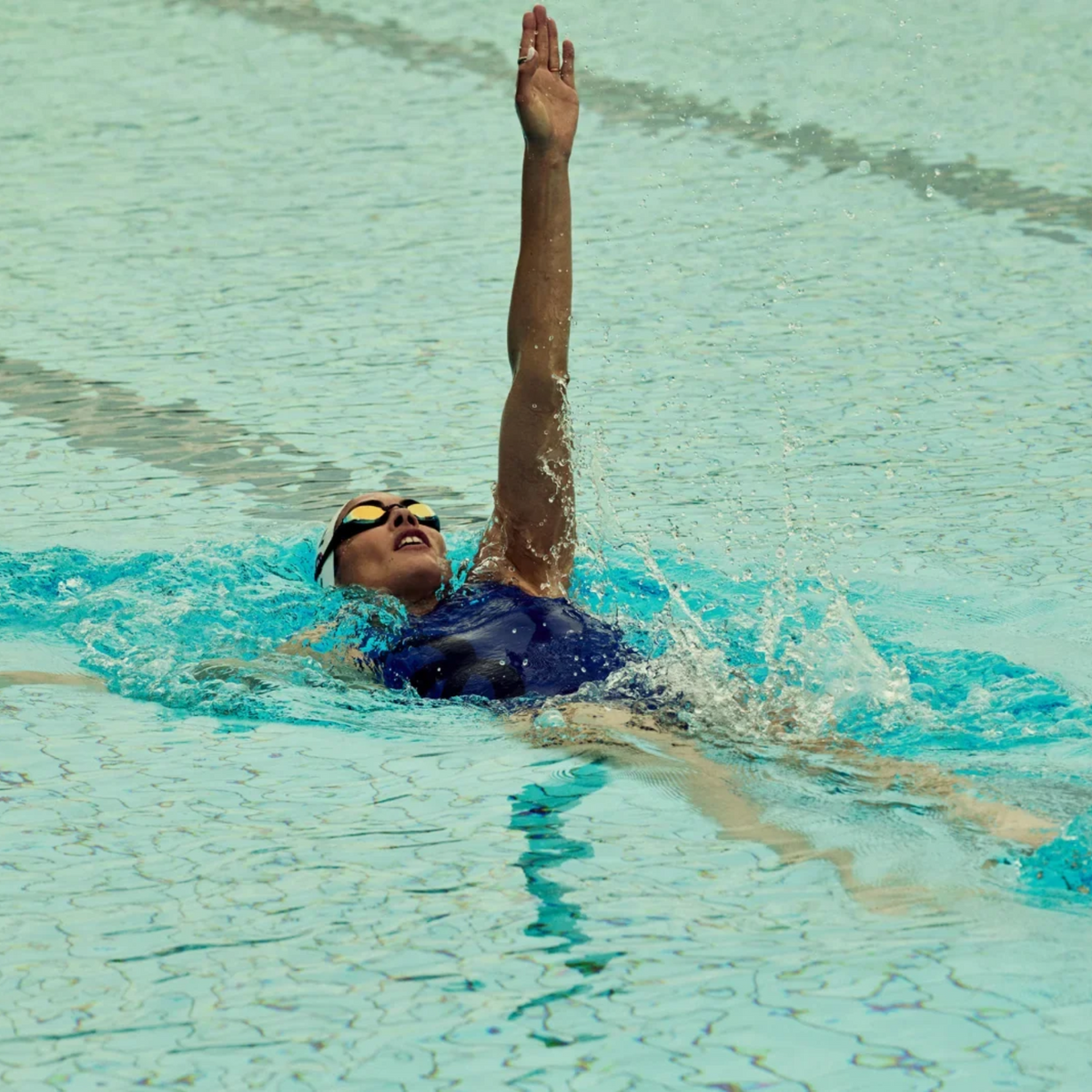
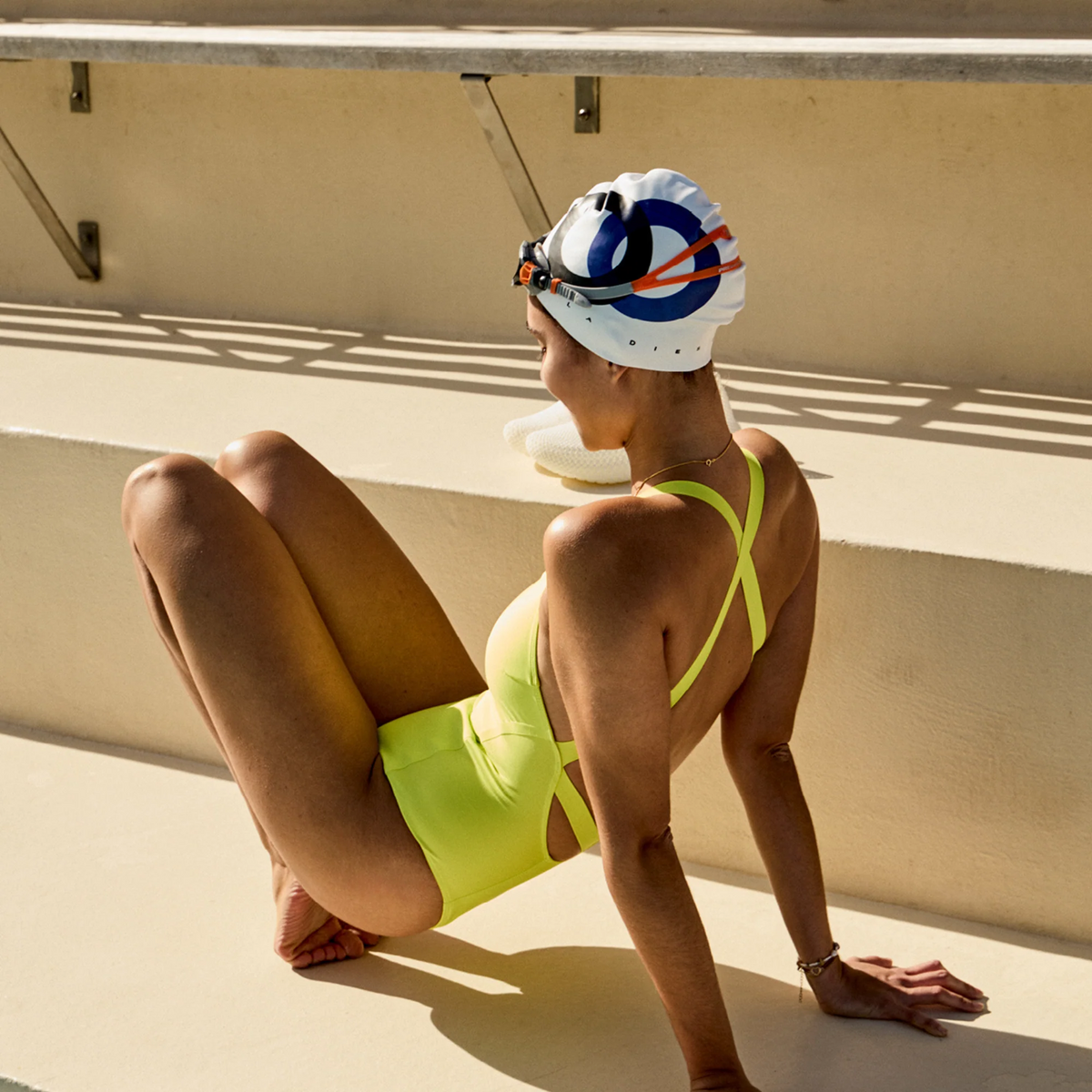
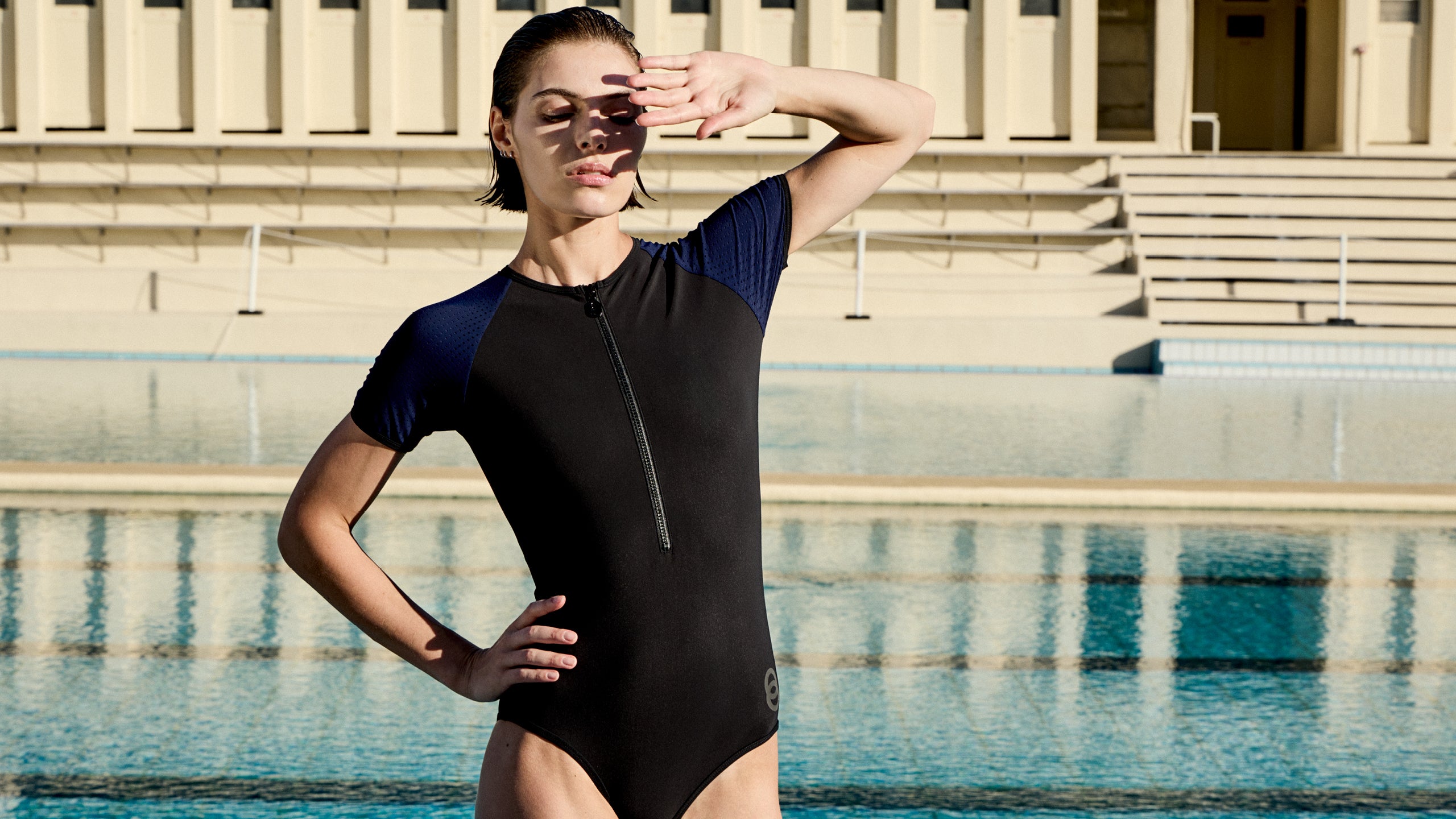
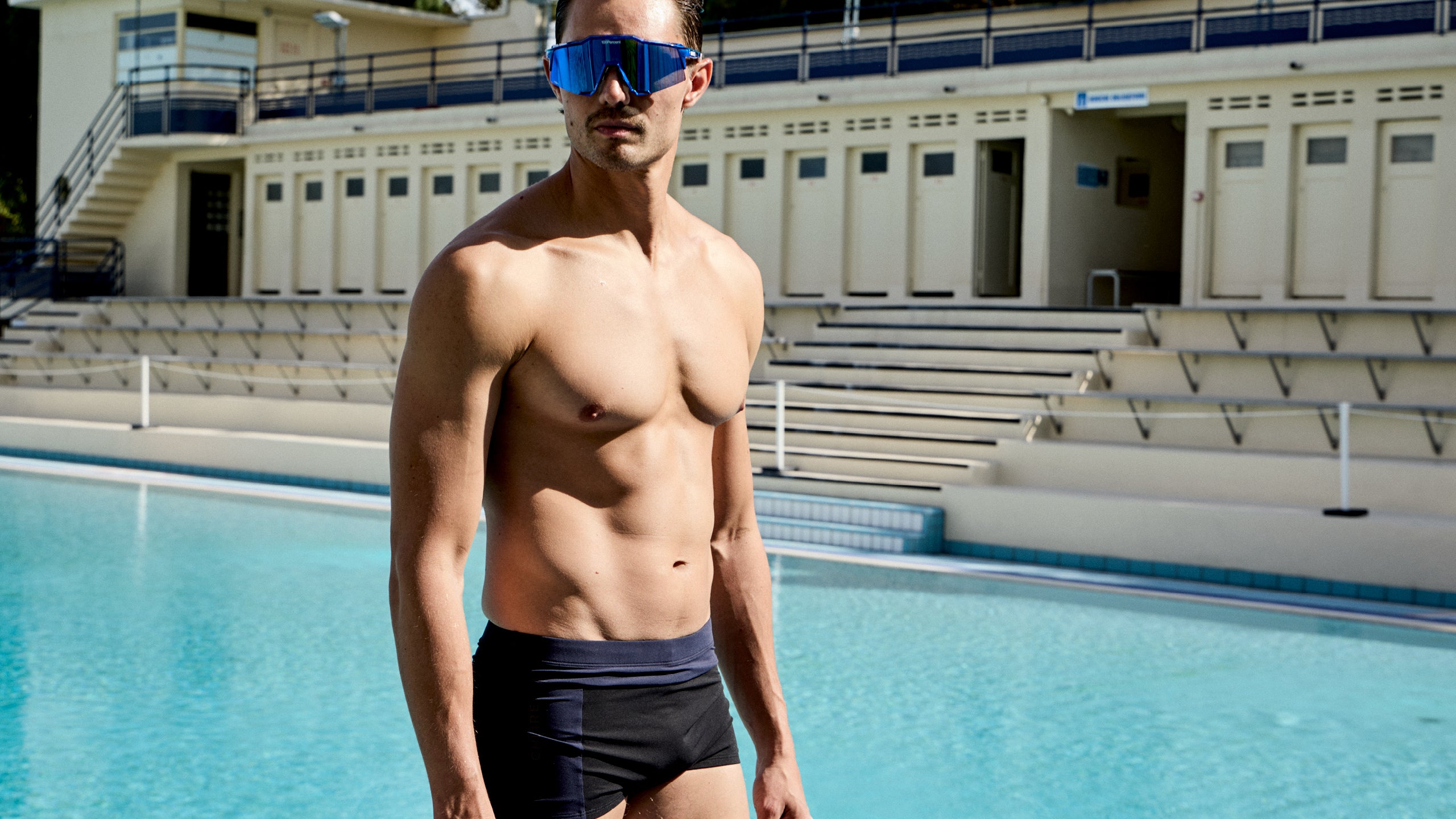
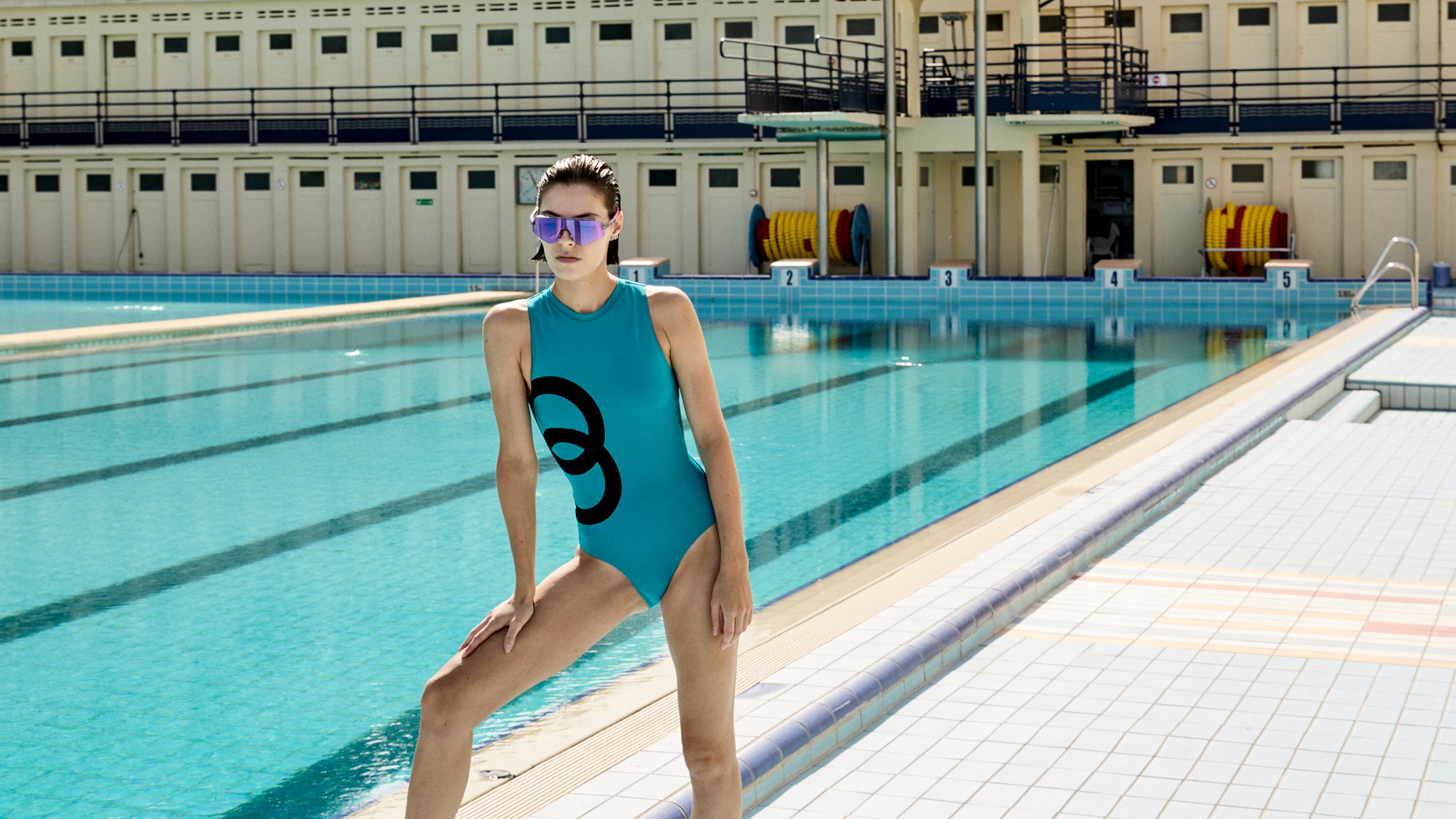
For Chlore, these pools are much more than places for sports. They share the same graphic and functional aesthetic as the swimsuits: clean cuts, sober colors, sporty inspirations. The body is showcased there in a strong, structured, almost architectural setting.
@stocksy

These pools have a cold, almost monumental beauty. The contrast between the moving water and the fixed concrete creates a powerful tension. Straight lines, marked angles, colors reduced to a minimum.
Today, these brutalist pools are coming back to the forefront.
Photographed, rediscovered, they captivate with their visual strength and radicalism. They are the perfect setting to embody an elegant, modern, and assertive aquatic fashion.
@sosbrutalism